MOVE
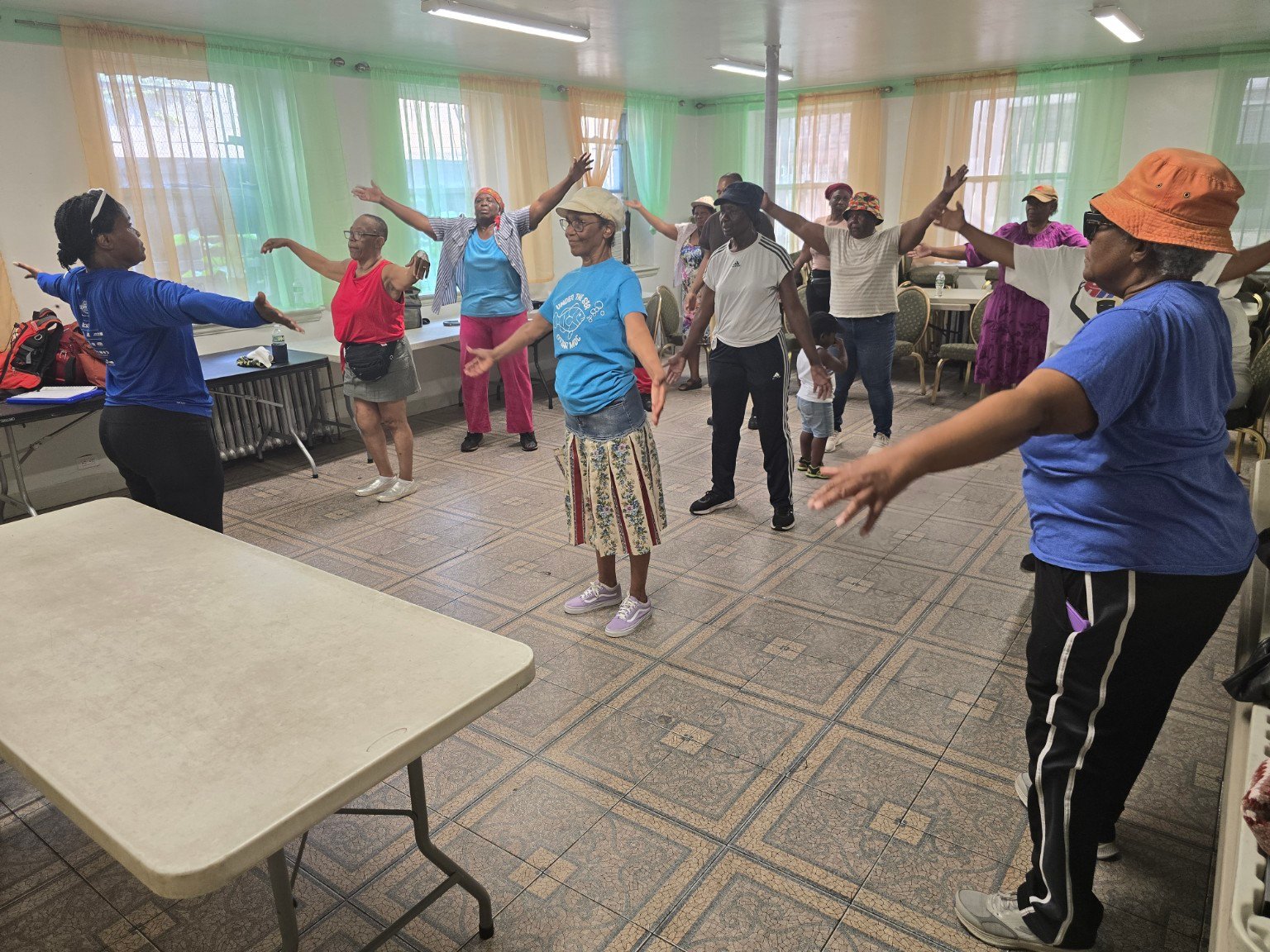
Care for the body through accessible movement.
Walking, balance, mobility, stretching, and chair-based options help people build confidence at a pace they can sustain.
Our community wellness model
The model helps communities support whole-person wellness without requiring perfect fitness, expensive equipment, or a one-size-fits-all program.
The Five Pillars
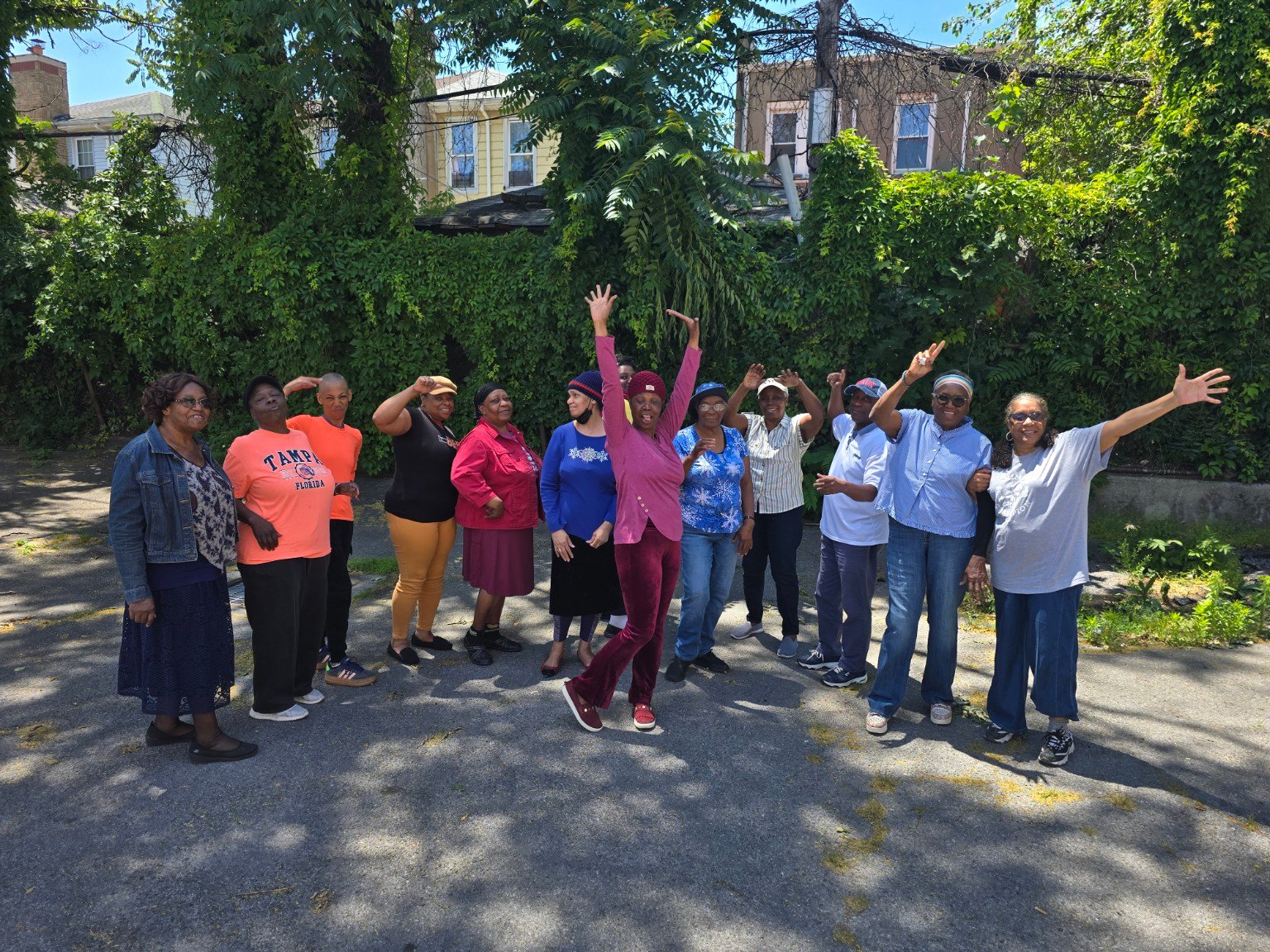
Each pillar can stand on its own, but the model is strongest when the pillars work together.
Walking, balance, mobility, stretching, and chair-based options help people build confidence at a pace they can sustain.
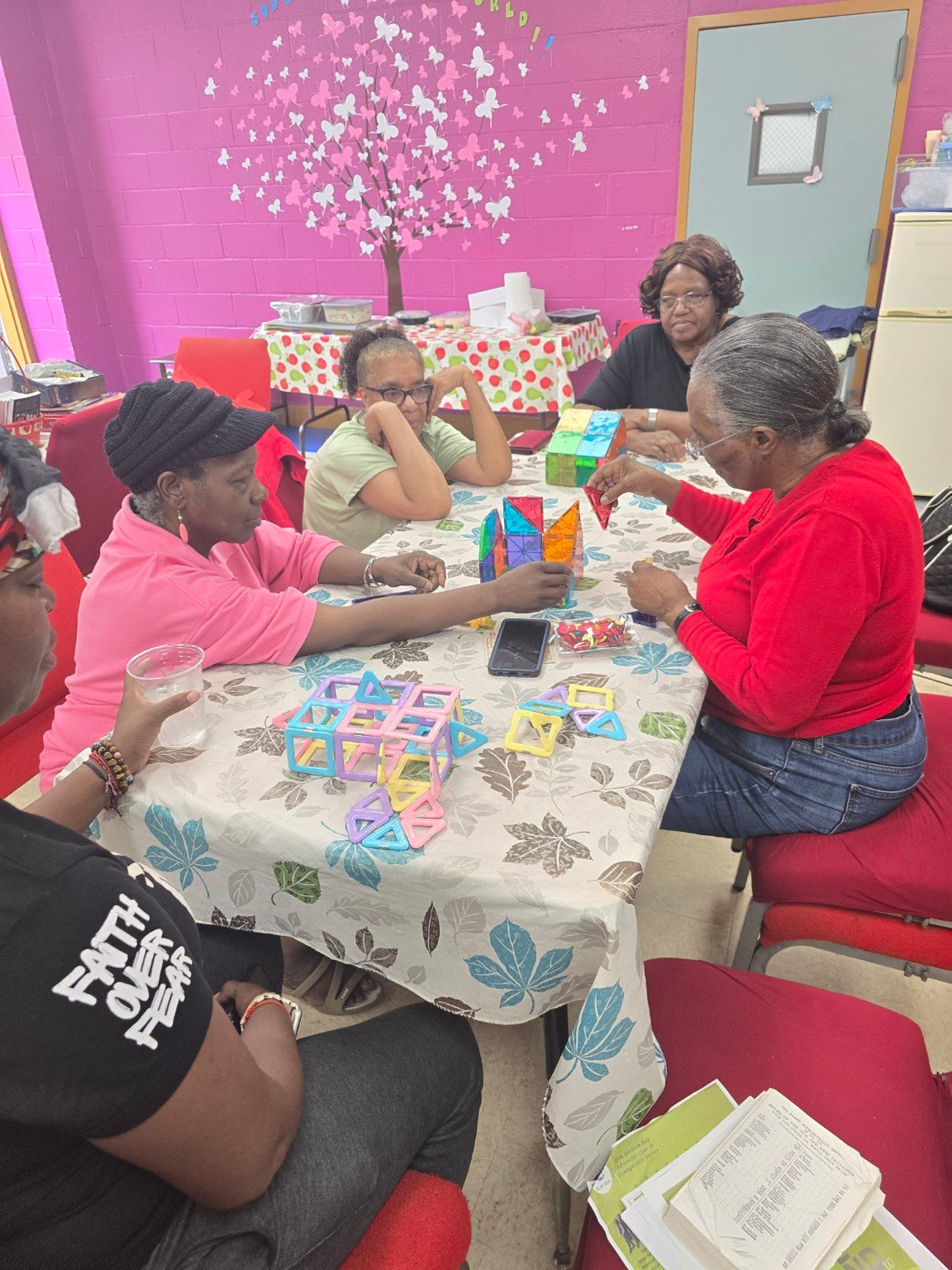
Memory, coordination, creativity, problem-solving, and conversation create enjoyable ways to exercise the mind.
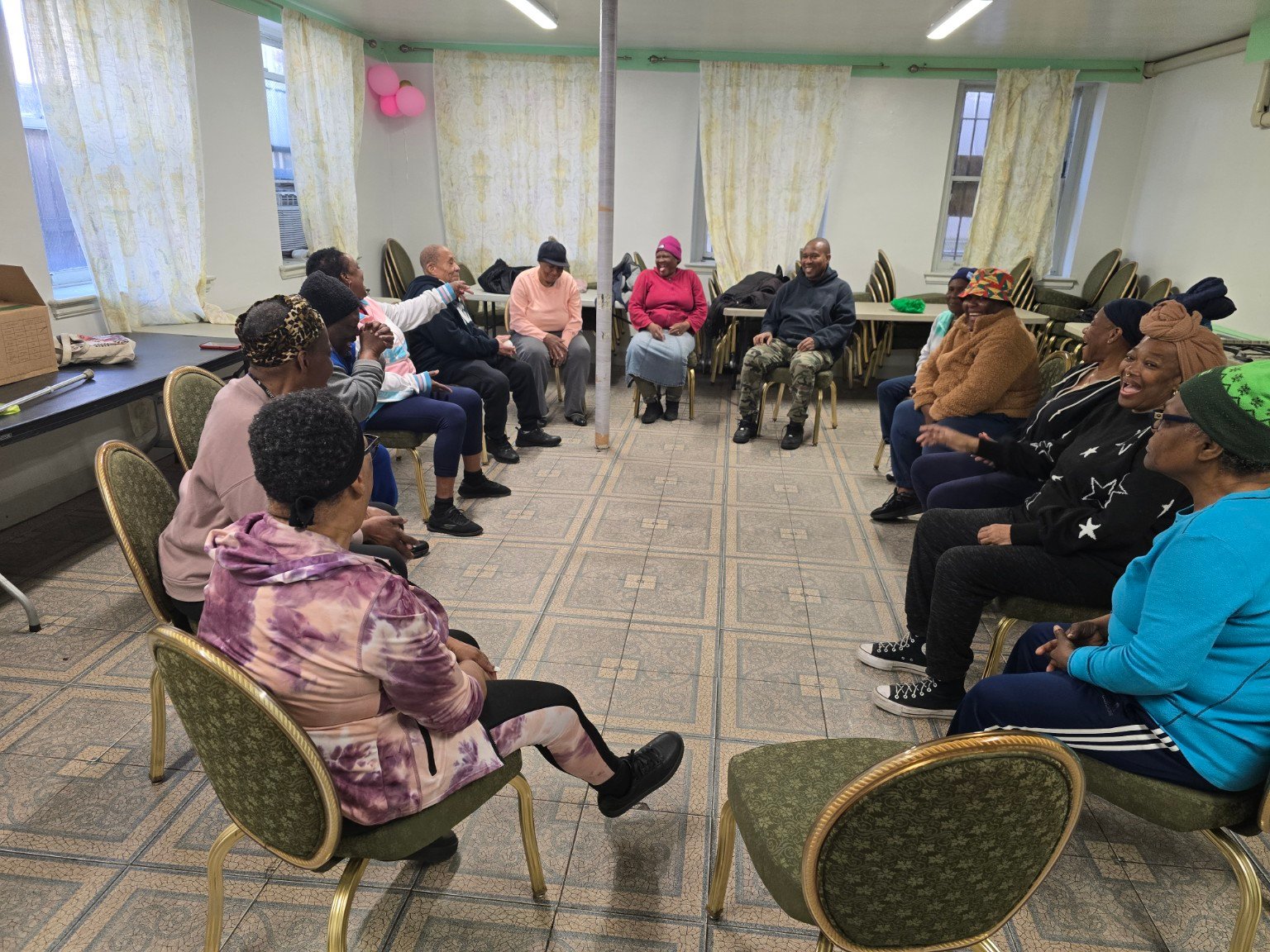
People are welcomed, noticed, encouraged, and missed when they are absent. Belonging is not a bonus; it is part of wellness.
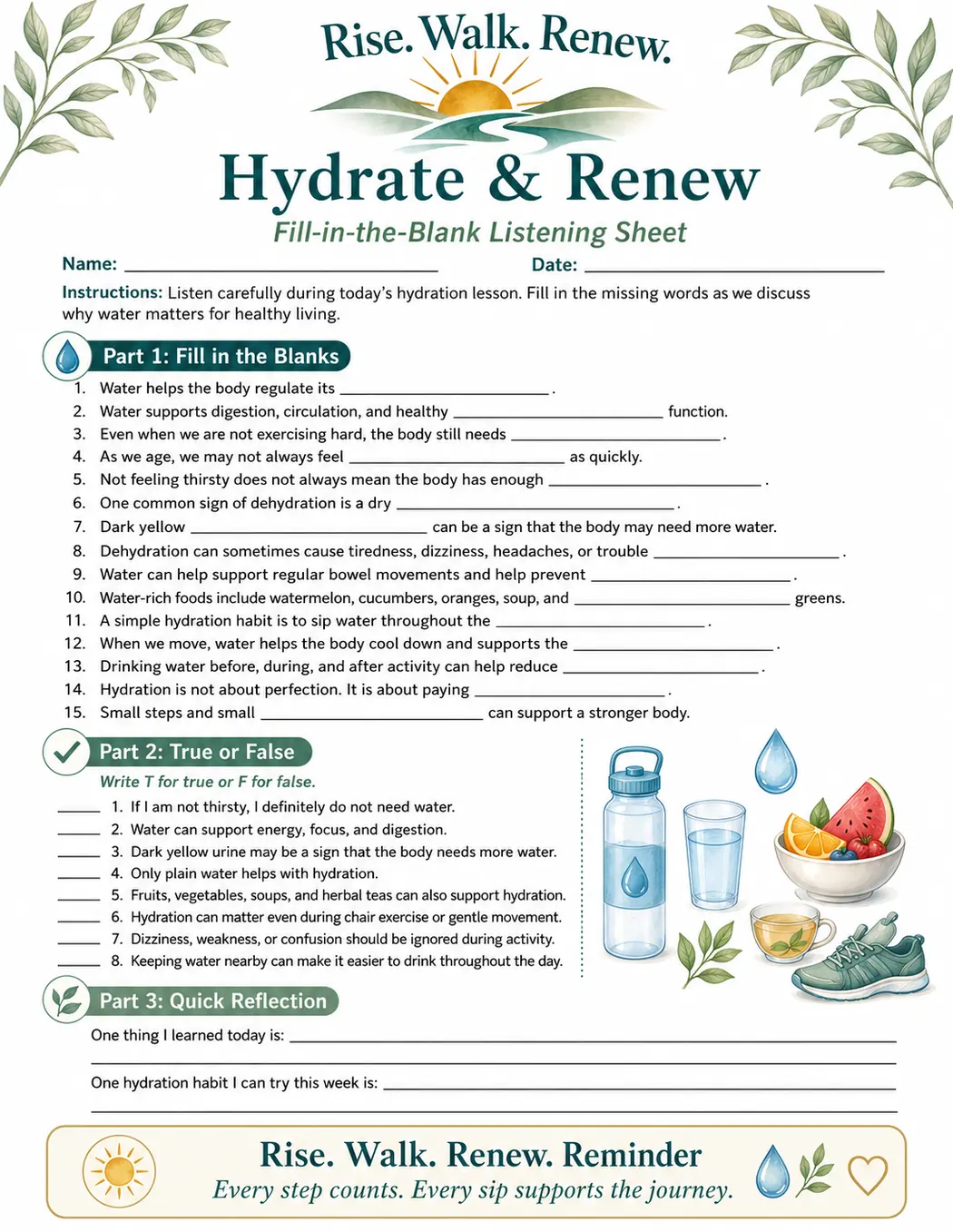
Senior-friendly lessons turn information about hydration, balance, caregiving, safety, and healthy routines into one clear next step.
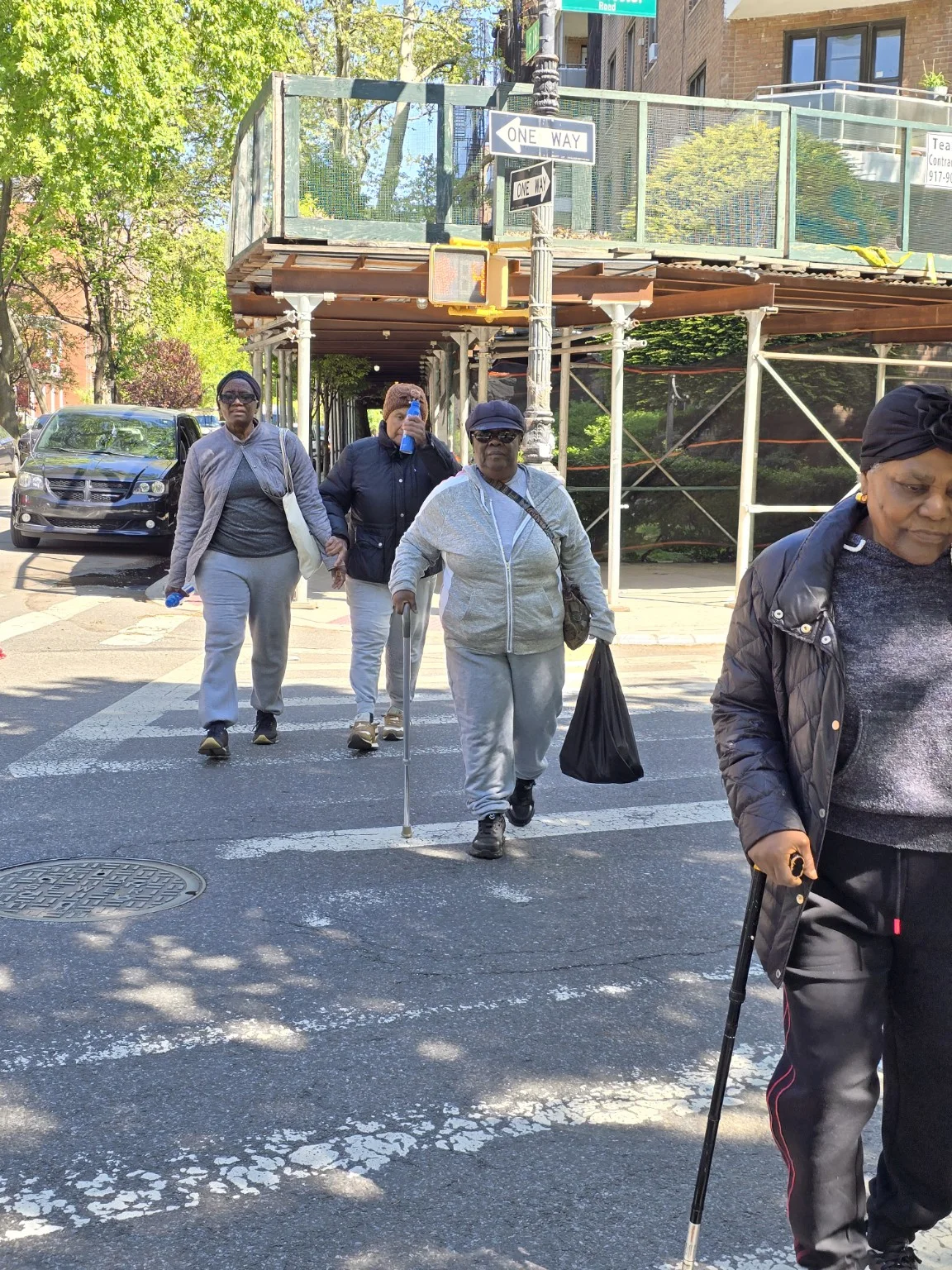
Reflection, gratitude, faithful stewardship, and small victories help people see progress and continue the journey.
How a gathering can flow
Create safety, warmth, and room for different abilities.
Offer seated, standing, indoor, or walking options.
Think, connect, and learn through discussion and activity.
Name one useful insight, victory, or next step.
Close with encouragement, purpose, and hope.
Principles that protect the model
Movement and activities are adapted from the start—not added as an afterthought.
Progress is measured against where a person began, not against someone else.
People are not projects. Relationships make healthy routines easier to sustain.
Every lesson should lead to a useful question, conversation, habit, or action.